


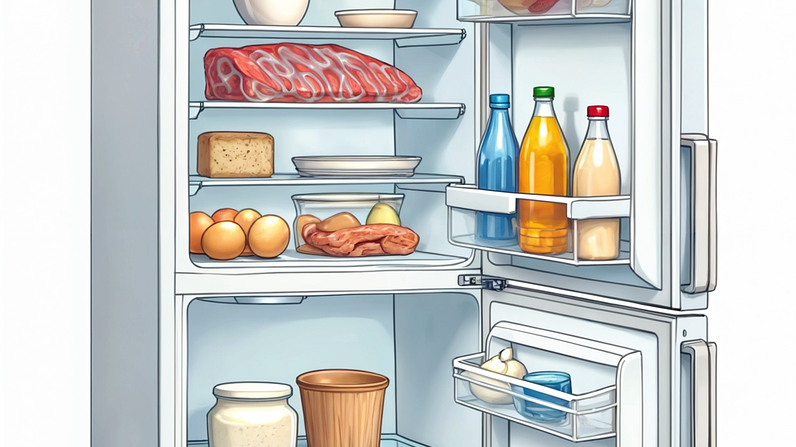
Choosing the right commercial fridge isn’t just about storage—it directly affects food safety, energy costs, and kitchen workflow.
1. Understand Your Business Type
A café, restaurant, and supermarket all have very different refrigeration needs.
- Cafés: under-counter fridges or display units
- Restaurants: upright or prep fridges
- Retail: glass door display refrigeration
2. Capacity vs Space
Measure your available space before buying. Oversized units reduce workflow efficiency, while undersized ones lead to overloading and temperature instability.
3. Energy Efficiency Matters
Look for high energy star ratings. A commercial fridge runs 24/7—inefficient units can significantly increase operating costs.
4. Temperature Consistency
Stable temperature is critical for food safety compliance. Choose models with digital controls and fan-forced cooling.
5. Stainless Steel vs Glass
- Stainless steel: durability, kitchen use
- Glass door: visibility, retail display
6. Maintenance and Cleaning
Removable shelves, easy-drain systems, and accessible compressors reduce downtime and maintenance costs.
Conclusion:
Investing in the right commercial fridge improves efficiency, compliance, and long-term savings.
Leave a comment